Table of contents
Dreaming of a perfectly sculpted silhouette? Shaping corsets have long been a secret weapon for achieving a defined figure, blending tradition with modern design. Discover how to use shaping corsets effectively, maintain comfort, and maximize your results. Explore the strategies and expert advice in the following paragraphs to unlock your most confident self.
Understanding shaping corsets
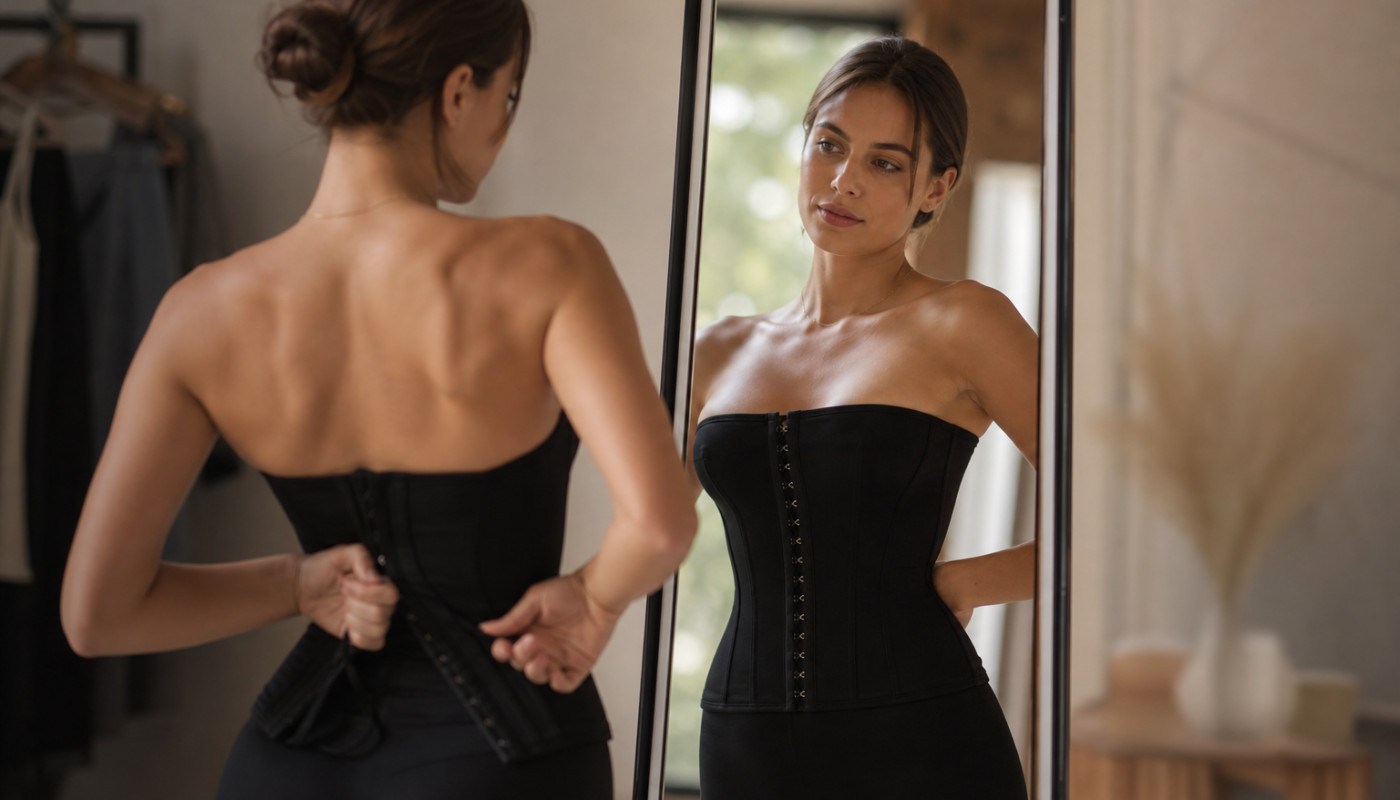
A shaping corset is a specialized compression garment designed to mold and contour the wearer's torso, accentuating curves and cultivating what is commonly known as an hourglass figure. Historically, corsets have been integral to fashion since the 16th century, evolving from rigid structures with whalebone or steel supports to today's more flexible and comfortable designs crafted from modern materials. In previous centuries, shaping corsets represented both status and aesthetics, while contemporary styles serve a dual purpose: body shaping for everyday wear and as an accessory for waist training. The science behind waist reduction relies on the targeted pressure applied by a compression garment, which can temporarily reduce waist circumference and create smoother lines under clothing. Today, the variety of options ranges from traditional lace-up steel-boned corsets to latex cinchers and discreet undergarments, catering to diverse preferences and body types. This broad offering allows individuals to select the shaping corset that best aligns with their wellness goals, fashion needs, and desired level of support.
Selecting the right corset
Finding the best corset for shaping begins with a clear understanding of your body type and sculpting objectives. Materials play a significant role, as breathable fabrics ensure comfort during extended wear, while durable construction supports consistent results. Steel boning is a key feature that offers both structure and longevity, ensuring your silhouette remains defined even with regular use. Proper corset fitting is indispensable, as a poorly sized corset can lead to discomfort or ineffective shaping. Careful attention to corset size and adjustability allows for a tailored fit, which is especially significant when considering long-term waist training or special occasions. For those seeking optimal results, investing in a custom corset crafted to your measurements delivers unparalleled support and a smooth, contoured finish. For detailed information regarding features and selection tips, the description at the brand’s site provides practical guidance tailored to diverse needs and preferences.
Safe waist training practices
When starting a waist training journey, prioritizing waist training safety is key for achieving healthy waist reduction without compromising well-being. A certified body contouring expert recommends introducing shaping corsets gradually through a method called progressive lacing. Begin with short durations, such as one to two hours per day, and gently increase the time worn each week. Tightening should be gradual, allowing the body to adjust to the pressure without discomfort. Recognizing signs of a good fit includes the corset feeling snug but not restrictive, allowing for normal breathing and movement, and never causing pain or numbness.
Safe corset use means attentive self-monitoring. Pay attention to any signals from the body, such as shortness of breath, skin irritation, or persistent discomfort, and pause waist training if these arise. Consulting a healthcare provider or body contouring expert before and during the process ensures the chosen corset and routine align with individual health needs. Regular check-ins with professionals can help monitor progress and address potential issues, supporting healthy waist reduction goals while safeguarding long-term health.
Combining corsets with lifestyle habits
Integrating shaping corsets into daily routines is most effective when paired with thoughtful lifestyle habits. Nutrition plays a foundational role; a balanced diet for shaping that emphasizes lean proteins, vegetables, whole grains, and adequate hydration supports the body's natural ability to maintain and accentuate a sculpted silhouette. When combined with a structured corset and exercise regimen, particularly core strengthening routines such as planks, Pilates, and stability ball workouts, results are optimized and maintained over time. These core-focused exercises not only target abdominal muscles for enhanced definition but also reduce the risk of muscular imbalances that sometimes occur from prolonged corset use.
Mindful posture improvement is another integral factor in achieving lasting figure sculpting. The compression and support provided by a corset naturally encourage upright alignment, yet conscious effort to practice good posture throughout the day ensures sustained benefits even when the garment is not worn. Consistent long-term waist training yields the most notable changes when complemented with daily stretching, regular movement breaks, and a disciplined approach to core strengthening. Adopting these habits will help maximize the visual and functional effects of corseting while fostering overall well-being, as recommended by fitness and nutrition experts.
Maintaining and caring for corsets
Proper corset maintenance plays a pivotal role in ensuring both comfort and the longevity of your garment. When cleaning corsets, always hand-wash using a gentle detergent and cool water, as machine washing can compromise fabric integrity and deform the boning structure. Lay the corset flat to air dry, avoiding direct sunlight or heat sources, which can weaken fibers and cause shrinkage. For corset storage, select a cool, dry environment and avoid folding to prevent creases or warping. Hanging corsets by their laces or using padded hangers helps to preserve their shape and prolong corset life.
Regularly inspect the garment for signs of wear, such as fraying seams, bent boning, or weakened eyelets. Early detection allows for timely repairs, minimizing damage and maintaining support. Experts recommend rotating between multiple corsets if worn frequently, which distributes stress and maintains fabric integrity. Avoid over-tightening, as excessive tension accelerates wear on both fabric and fasteners. By adopting these specialized cleaning corsets and storage routines, enthusiasts can both maintain the silhouette benefits and safeguard their investment for years to come.
Similar articles

Exploring The Timeless Appeal Of Bohemian Dresses In Modern Fashion

The Power of Statement Pieces in Women's Wardrobes
