Table of contents
The dynamic evolution of streetwear has transformed the landscape of contemporary fashion, blending urban influences with high-end sensibilities. This fresh and unfiltered style movement continues to captivate trendsetters and everyday wearers alike, influencing runways and city sidewalks across the globe. Delve into the following sections to uncover the factors fueling streetwear’s meteoric rise and its lasting impact on the fashion world.
The roots of streetwear culture
Streetwear origins can be traced to the dynamic intersection of youth culture, music influence, and urban fashion history during the late 20th century. Emerging from the creative expressions of skateboarding communities and hip-hop subculture in cities such as Los Angeles and New York, streetwear became a reflection of the attitudes, aspirations, and rebellion of a new generation. The distinctive skate style introduced relaxed silhouettes, graphic t-shirts, and sneakers, fostering a visual language that set itself apart from conventional fashion norms. Simultaneously, the influence of music genres like punk, rap, and electronic dance fueled a cross-pollination of ideas, amplifying the appeal of street-inspired apparel and blurring the lines between performance, leisure, and identity.
The evolution of streetwear is deeply linked to broader societal changes, including shifts in economic power, technological advancements, and the democratization of fashion. As subcultures gained prominence, their impact on urban fashion history became apparent, with independent designers and small labels leveraging limited-edition drops and grassroots marketing to cultivate exclusivity and authenticity. This strategy fostered a loyal following among trend-conscious youth, further embedding streetwear into the mainstream. The dialogue between streetwear and larger cultural movements has not only redefined style but also challenged traditional hierarchies in the fashion industry, positioning streetwear as a key force in contemporary aesthetics.
Defining characteristics and aesthetics
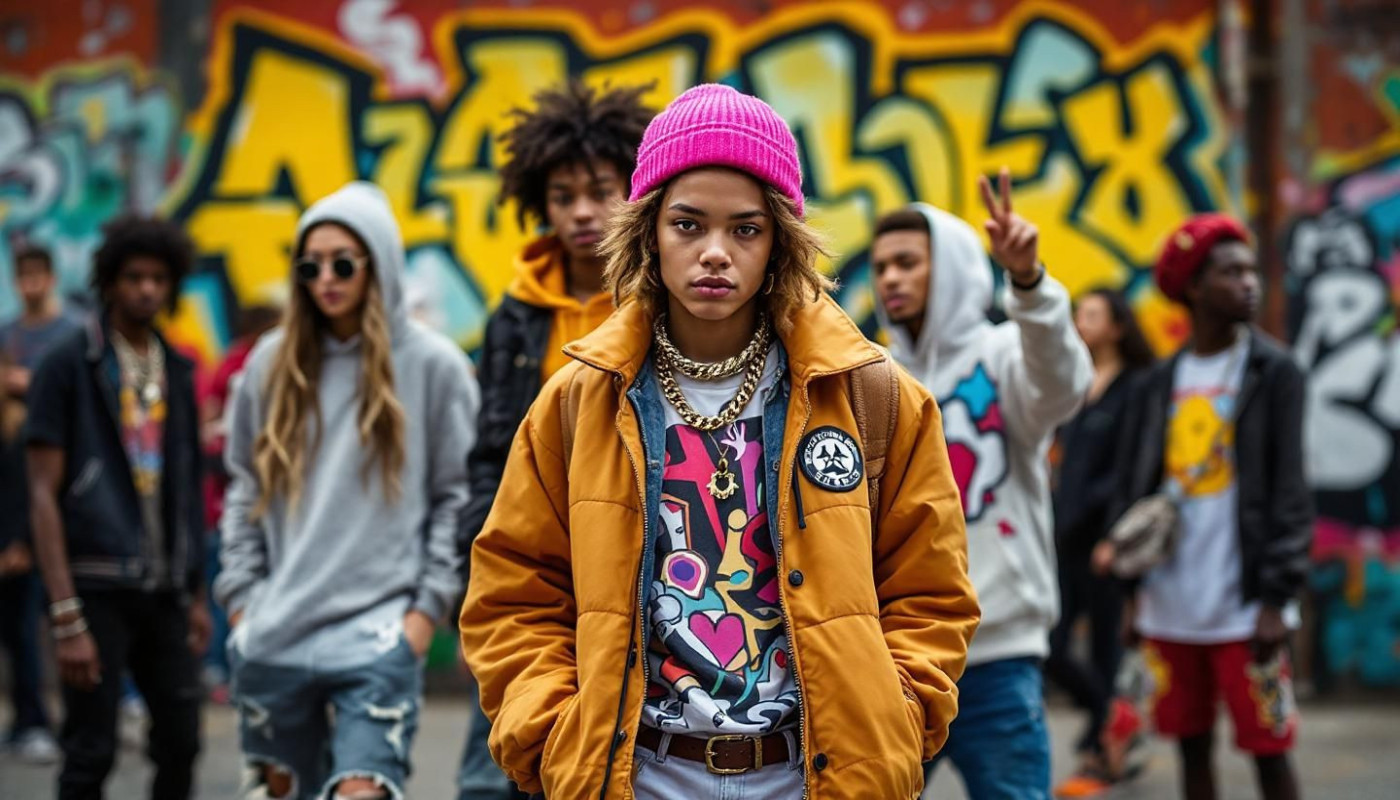
Streetwear aesthetics are immediately recognizable through a distinctive visual identity, which differentiates them from traditional fashion trends. The genre's visual language often centers on bold graphic clothing, where logos, typographic prints, and pop culture references dominate T-shirts, hoodies, and outerwear. Oversized silhouettes are a signature element, creating relaxed, unstructured shapes that break away from the more tailored, restrictive lines seen in classic fashion. This approach to proportion allows for greater comfort and self-expression, appealing to a diverse audience seeking individuality in their wardrobe choices. Fabric innovation also plays a pivotal role, with streetwear brands experimenting with unconventional materials such as technical synthetics, mesh, denim with unique washes, and mixed textiles, pushing the boundaries of standard garment construction.
The combination of these elements has forged a new standard in fashion trends, making streetwear a driving force in contemporary style. The genre’s embrace of oversized silhouettes and fabric innovation is complemented by a fearless use of color, layering, and re-contextualization of utility clothing, often borrowing from skate and hip-hop subcultures. This results in garments that are not only functional but also serve as statements of identity and affiliation, further amplified by limited releases and collaborations with artists or other brands. As streetwear aesthetics continue to evolve, the focus on inventive graphic clothing and unexpected fabric choices ensures that the movement maintains a dynamic, fresh edge within the wider world of fashion.
Streetwear’s global expansion
Streetwear’s transformation from a localized subculture rooted in urban environments to an international fashion powerhouse highlights a significant shift in the industry. The diffusion of global streetwear is marked by its rapid adoption across continents, as major cities like Tokyo, Paris, London, and Seoul reinterpret the style through unique cultural lenses. Regional adaptation is evident in the integration of traditional motifs, local artists, and indigenous textiles, resulting in a dynamic exchange that continually reinvents worldwide trends. Social media, international collaborations, and pop culture icons have accelerated the movement, allowing global streetwear to influence both luxury and mainstream markets, reflecting a blend of cultural influence and shared visual language across borders.
Cross-cultural exchanges shape the trajectory of international fashion, with the streetwear movement exemplifying how fashion diffuses beyond its place of origin. Designers and brands frequently collaborate across countries, incorporating global perspectives and regional nuances to create pieces that resonate with diverse audiences. As streetwear continues its upward trajectory, its capacity for adaptation ensures that it remains relevant and reflective of the ever-evolving cultural landscape. This ongoing interplay between local authenticity and global appeal showcases the power of streetwear as a universal mode of expression and a driving force in shaping contemporary fashion worldwide.
Influence on luxury fashion houses
Streetwear luxury has rapidly shifted from niche subculture to mainstream phenomenon, reshaping the landscape of fashion collaboration and runway trends. The convergence of streetwear and high-end brands is evident through high-profile partnerships such as Supreme and Louis Vuitton, where traditional luxury houses embrace urban influences to capture a younger, more diverse audience. This blending, known as convergence, is visible in fashion weeks worldwide, where sneakers, graphic hoodies and oversized silhouettes now share the spotlight with tailored gowns and couture craftsmanship. The distinction between high-low fashion is dissolving, as both established designers and emerging labels borrow elements from street culture, integrating bold logos, relaxed fits and limited-edition drops into their collections to remain relevant in an ever-evolving market.
Luxury market analysts observe that this shift has brought about a symbiotic relationship: streetwear brands gain prestige and greater visibility, while luxury houses access new markets and fresh creative energy. The impact of designer influence is not only seen on runways but also in the strategic use of fashion collaboration to generate hype and exclusivity. This evolution is driving innovation and altering consumer perceptions of what qualifies as aspirational style. For those interested in exploring authentic Japanese streetwear and experiencing firsthand how these trends manifest in global markets, pop over to this website for a curated selection that reflects this ongoing transformation.
Future directions and sustainability
Streetwear sustainability has become a driving force in shaping future trends within contemporary fashion. Many streetwear brands now focus on ethical fashion practices, recognizing the growing consumer demand for transparency, responsibility, and environmental stewardship. This shift is visible in the adoption of eco-friendly materials such as organic cotton, recycled polyester, and plant-based alternatives. In addition, innovation in design plays a pivotal role, with labels experimenting with digital prototyping, modular construction, and biodegradable fabrics to reduce waste and resource consumption. These advancements are not only enhancing product quality and aesthetics but also aligning streetwear with broader environmental objectives.
One of the most significant developments in streetwear sustainability is the embrace of circularity, a holistic approach that aims to minimize waste by designing products for durability, reuse, and eventual recycling. Brands are implementing take-back schemes, upcycling initiatives, and repair services, ensuring garments remain in circulation for as long as possible. This circular model addresses the fashion industry’s environmental impact and encourages consumers to rethink disposability. Streetwear's youthful audience is particularly responsive to these initiatives, often seeking brands that reflect their values in social responsibility and climate consciousness.
Ethical fashion is no longer a niche consideration but a mainstream expectation, influencing how streetwear brands approach everything from material sourcing to supply chain management. Many companies are investing in fair labor practices, ethical sourcing certifications, and transparent supplier relationships. By fostering ethical production environments, the streetwear sector is setting a precedent for other fashion genres and reinforcing its role as a cultural innovator. Social media campaigns, influencer collaborations, and community-driven storytelling further amplify these values and promote widespread adoption of sustainable behaviors among consumers.
Looking ahead, the trajectory of streetwear will likely be defined by ongoing innovation in design and materials, coupled with sustained commitments to ethical and eco-friendly practices. Future trends suggest that technological advancements, such as 3D printing and blockchain traceability, will play an increasing role in ensuring product authenticity and reducing environmental impact. As streetwear brands continue to integrate circularity and ethical values into their core missions, they are not only addressing immediate environmental challenges but are also shaping the future of fashion in a world where sustainability is paramount.
Similar articles
Explore The Ease And Benefits Of Using Nail Stickers For Manicures

Exploring The Resurgence Of Early 2000s Fashion Trends In Modern Wardrobes

The Resurgence Of Aztec Patterns In Modern Fashion Design
